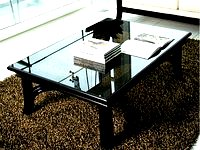
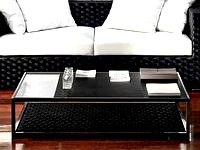


DFN tables are not merely surfaces—they are spatial anchors, designed to orchestrate the flow of architecture, light, and human interaction.
Each table emerges from a philosophy where form is not decorative but structural, where every edge and proportion is a deliberate gesture toward harmony. DFN doesn’t create tables to fill a void; it crafts them to define it. Whether placed in a sun-drenched garden, a shaded loggia, or a refined interior, a DFN table becomes the gravitational center of the space—an invitation to gather, to pause, to connect.
The design language is one of measured elegance. Geometry is precise yet never rigid, allowing the table to breathe with its surroundings. Materials are chosen not only for their resilience to time and climate, but for their ability to reflect light, absorb shadow, and age with dignity. From sculpted bases to seamless tops, each table is a study in balance—between strength and subtlety, permanence and grace.
Ultimately, a DFN table is more than a functional object—it is a compositional force. It holds not only objects, but moments, conversations, and atmospheres. In the world of DFN, a table is not just where people gather—it is where space finds its voice.