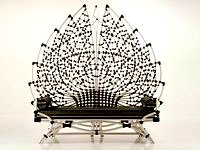
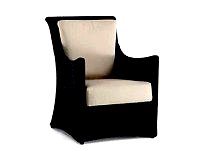
DFN furniture is not designed—it is composed, like architecture in motion, where every line carries intention and every surface speaks in the language of spatial refinement.
Each piece emerges from a philosophy that transcends decoration. DFN treats furniture as structural poetry, crafting objects that do not simply occupy space but define it. These are not passive additions to an interior—they are active participants in its rhythm, its silence, its identity. Whether nestled in a shaded loggia or anchoring a contemporary salon, DFN furniture transforms environments into experiences.
Craftsmanship is invisible yet omnipresent. From the tension of a curve to the grain of a surface, every detail is calibrated to support both function and feeling. DFN furniture is engineered to last, but more importantly, it is designed to belong—to become part of the architectural narrative, to echo the values of restraint, elegance, and spatial intelligence.
Ultimately, DFN furniture is about design as presence. It embodies a worldview where objects are not isolated, but integrated—where the act of sitting, reclining, storing, or gathering is framed by beauty and intention. In the world of DFN, furniture is not a product—it is a sculptural dialogue between human experience and architectural grace.